Cultural Tours
Cultural Tours and Safaris in East Africa
Cultural Safaris In Uganda
Cultural safaris in Uganda – all you need to know about Cultural and Community Safaris in Uganda.
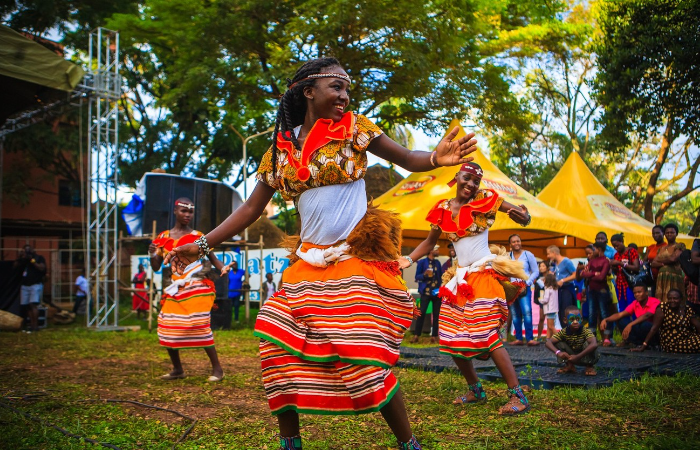
Cultural Safaris in Uganda, Uganda is a country with many diverse ethnic groups with their own unique cultural believes and customs.
Besides being rich in biodiversity, Uganda is blessed with fascinating cultures in each respective region of the country. A cultural safari to the pearl of Africa will blow your mind as you discover the ultimate hidden stories behind the several beliefs and cultural practices in the country. The diverse ethnic groups in the country make it one of the top places to visit for a cultural safari. Uganda is home to over 50 tribes, each on its own make Uganda a true wonder for many travelers. The different tribes in Uganda speak different languages however the three distinct linguistic groups are the central Sudanese people, Nilotic, and the Bantu people.
Cultural Tours in Uganda:Guide
The Buganda people
Baganda is Bantu-speaking people that live near the shores of Lake Victoria. The Buganda kingdom is the largest of the medieval kingdoms in present-day Uganda, became an important and powerful state during the 19th century.
Established in the late 14th century along the shore of Lake Victoria, it evolved around its founding Kabaka (king) Kintu, who came to the region from northeast Africa. Kintu, who arrived as the leader of multiple clans, conquered the area, defeating the last indigenous ruler, Bemba Musota, to establish his new state.
Kintu, however, ordered the new clans to intermarry with the indigenous people creating the Buganda ethnic group.
A cultural safari Uganda just in this amazing Kingdom is one of the must-do activities while in Uganda. The kingdom has several thrilling attractions for you to see and these include. The burial place of the Buganda royal family, Kasubi Tombs. Four of the past Kabakas have been buried here thus a visit will offer you a chance to learn more about the history of these people.
While at Kasubi Tombs, the real tombs are hidden bark clothes, and the place behind is known as Kibira or forest inform of curtain have got raised platforms showing the passion of each of the Kabakas and their names.
The other activities while in Buganda include a visit to;
The Kabaka’s Palace (Twekobe)
The Kabaka’s Palace was established by Kabaka Mwanga II and up to now, the Palace serves as the official residence of all the last 6 Kings of Buganda Kingdom. The word Twekobe means come together in oneness for a cause, therefore the people of Buganda came together to construct a palace for the Kabaka on the Mengo Hill .It is in this Palace that the Buganda agreement was signed in 1900.
The Buganda Parliament (Bulange)
The Bulange was constructed during the colonial regime under the leadership of Kabaka Muteesa II with the purpose of acting as the parliament/Lukiiko of the Buganda Kingdom.
The Royal Mile
This is one of the places that will give a glimpse sight experience of the ancient architectural designs. The royal mile is a road that was constructed perfectly in a straight line to connect the Buganda parliament (Bulange) to the Twekobe the Kabaka’s Palace.
Nantaweta Monument
The monument is located in the center of the Royal Mile and is found on a wide roundabout that runs through the middle in a single. The road is only used by the Kabaka and the gate that is in the center is kept closed so as to limit and restrict it from the commoners.
Batwa Pigmies
The Batwa Pygmies live in south-western Uganda in the districts of Bundibugyo, Kabale, Kisoro, and Rukungiri. The Bwindi Impenetrable National Forest of Uganda was the home of the Batwa before they were evicted, causing them to become dependent on the Mgahinga and Bwindi Impenetrable Forest Conservation Trust. The hunter-gatherer tribe has lived in this area for over 150 years. This hunter-gatherer tribe has fascinating culture worth visiting especially after a gorilla trek in either Bwindi or Mgahinga national parks.
Cultural Tours In Tanzania
Cultural safaris in Tanzania – all you need to know about Cultural and Community Safaris in Tanzania.
This 6th Edition of the Tanzania Cultural Tourism Booklet will give you an insight into the daily lives of Tanzanian’s; With over 120 ethnic tribes, Tanzania is endowed with a diverse and rich cultural heritage. Through the Cultural Tourism Programme, visitors will get the opportunity to encounter authentic culture and get to experience the real daily lives of the Tanzanians.
By visiting the locally owned cultural tourism enterprises, visitors will explore landscapes, scale heights, take a part in local dances and rituals, listen to traditional music and tales, taste the local cuisines and beverages, make handcrafts and get an insight of the Tanzanians way of life. It is my hope that through this 6th edition you will see the beauty of Tanzania through its people and their activities and will find yourself at ‘home away from home.’ Come see and enjoy a cultural experience with The Big5 Adventures safari.
On your visit to Bujora cultural center you will explore the following areas:
Bujora church
Explore the Bujora church which reflects Sukuma traditional architecture. The church was built in 1958, in a shape of a Sukuma royal house. Its interior contains cultural symbols and articles, where liturgical services are integrated with Sukuma way of life and Christian Rites.
Sukuma Royal Pavilion
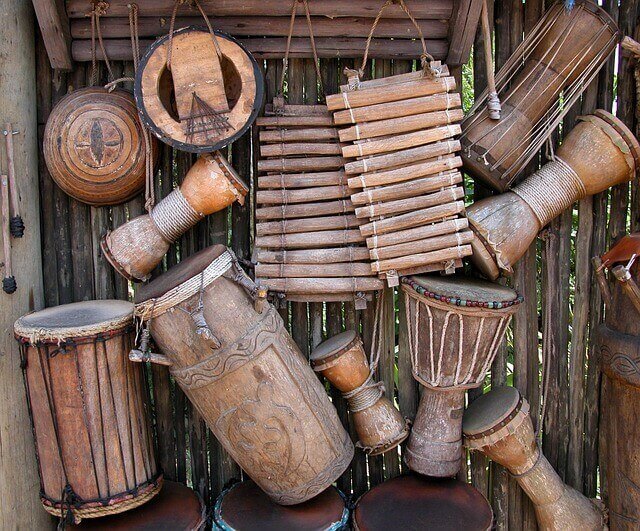
Get a chance to visit the Sukuma royal pavilion to get an insight into Sukuma royal history. The pavillion is symbol of the Sukuma chiefs’ reign and chiefdom. It is built in the shape of the royal throne which is a typical traditional architecture. Get enchanted with families’ history, royal thrones stories and exhibitions of artifacts, drums, and chiefdoms.
Traditional Dance Pavilion
It exhibits several Sukuma dances, artifacts and history. Photos of great Sukuma dancers of all ages together with their original tools are on display. You will have a chance of observing and even participate in traditional dances upon arrangements.
Sukuma Traditional Homestead
Explore the Sukuma traditional Homestead to experience the local lifestyle. The Sukuma traditional Homestead exhibits typical Sukuma traditional dwellings, compound and objects of daily life such as cooking utensils, religious articles, shepherds’ and agricultural implements.
Vocational Training Center
You will also have a chance to visit our vocational training center which conducts training courses to the youth. Among the courses offered are carving, pottery, blacksmith, carpentry, masonry, tailoring and welding. A curio shop is in place and offers visitors a wide range of traditional gifts to take back home. Casual and liturgical vestments sown with African touch are available at reasonable price. Buying one of these locally made authentic hand-made products supports local families’ livelihoods directly.
Botanic garden
The garden is constituted with more than one hundred species of local plants marked with traditional and botanical names. This is a garden of medicinal plants planted with assistance of Anamed Tanzania in connection with the African clinic. Come and learn how powerful and efficient Botanical Medicines are! Recreational and accommodation facilities The center has two canteens for drinks, traditional foods and a camping site. While at Bujora you may request the thrilling Sukuma traditional dances performed by the Sukuma dance troupe.
In mid June the center organizes a two week dancing competitions where traditional artists from all over Sukuma land are converted for Bulabo festival during the Corpus Christ.
Book with the big5 adventures safaris today and enjoy the living traditional hospitality of the Sukuma people in its natural and cultural setting.